By TopUpMyWallet | April 2026
We’ve all got them — the trainers you swore you’d wear again, the kitchen gadget still in its box, the kids’ toys that haven’t been touched in two years. They’re sitting there, quietly gathering dust, taking up space, and doing absolutely nothing for your bank balance.
Here’s the good news: those forgotten items are money waiting to happen. And thanks to platforms like eBay and Vinted, turning your clutter into cash has never been easier or more accessible. Better still — it’s free to list. You’ve literally got nothing to lose by giving it a go.
In this post, I’m going to share my own experience selling on both platforms, walk you through the pros and cons of each, and explain why I think it’s genuinely worth using both — because they really do serve different markets.
You can even check out my own Vinted store here to see what I’ve been selling!
Why Bother? The Case for a Clutter Clear-Out
Before we dive into the platforms, let’s talk about why this is worth your time.
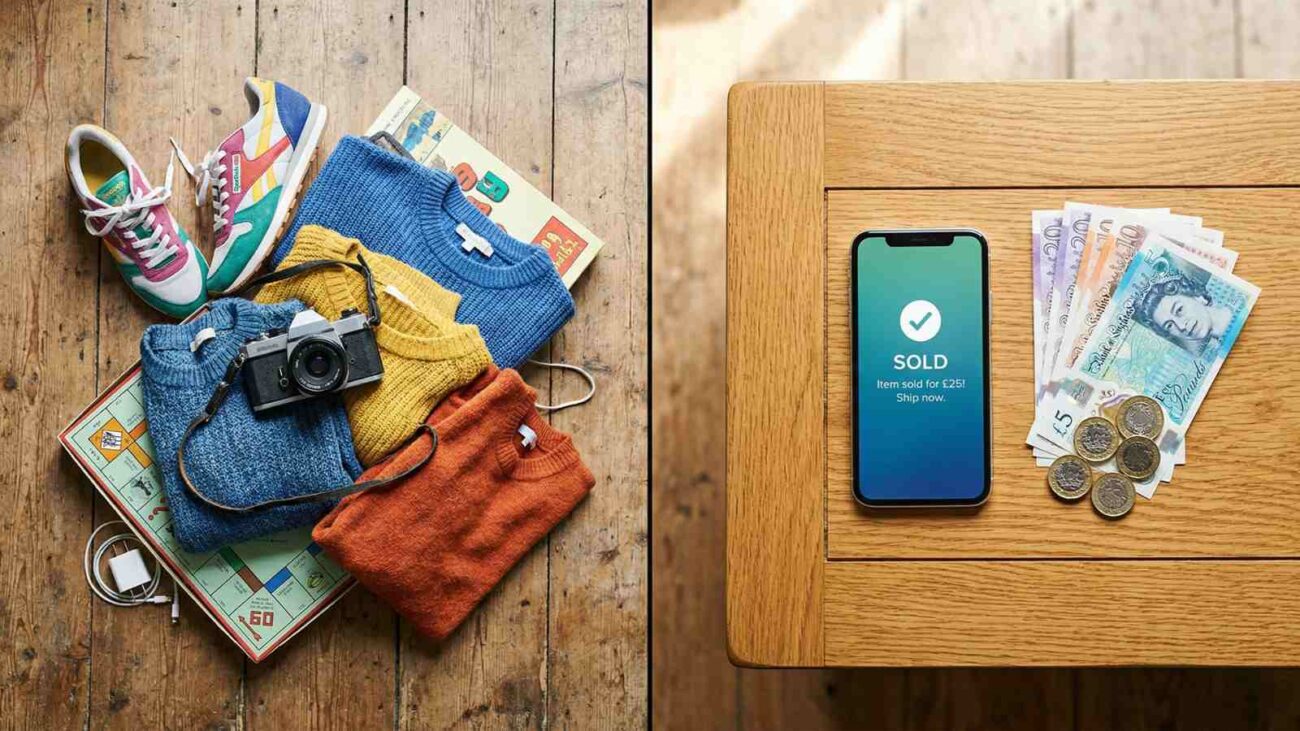
Most households are sitting on hundreds of pounds’ worth of unwanted items. Clothes that no longer fit, gadgets you’ve upgraded from, books you’ve read (or never got round to reading), homeware from a style phase you’ve moved on from. The list goes on.
Selling these items online isn’t just about the money — although that’s obviously a very welcome bonus. It’s also about:
- Freeing up space in your home
- Reducing waste by giving items a second life
- That genuine buzz when something sells — and trust me, it is addictive!
And here’s something that surprises a lot of new sellers: you’ll be amazed at what people will buy. That old mobile phone charger. The board game missing one card. The slightly battered handbag. Someone, somewhere, wants it. Because it’s free to list, there’s absolutely no harm in putting it up and seeing what happens.
eBay: The Old Faithful
eBay has been around since 1995, and for a long time it was the place to sell online. I’ve been selling on it for years, and it’s genuinely made me a lot of money over the long run. Here’s the honest picture:

✅ The Pros of eBay
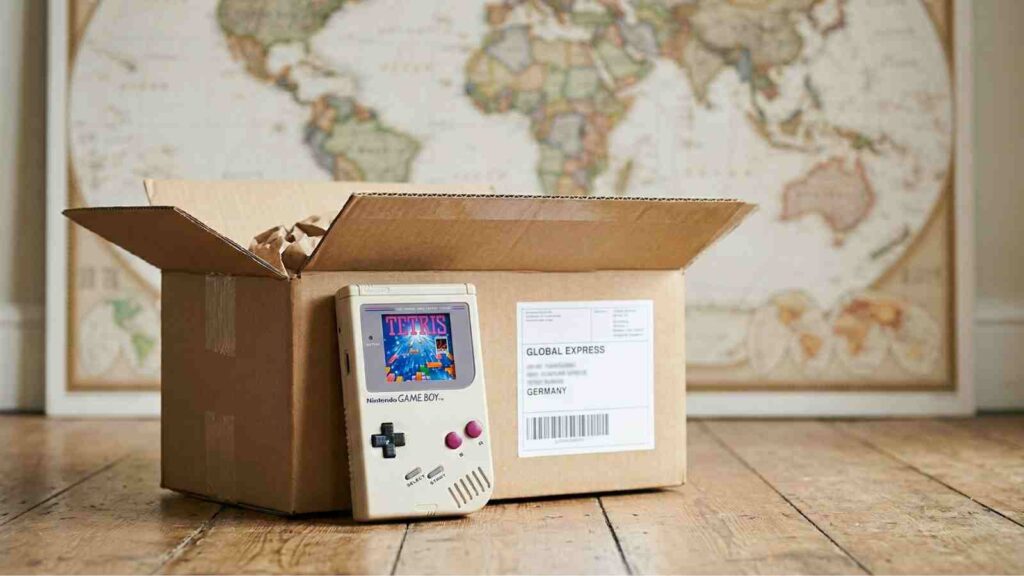
Massive, global audience. eBay has hundreds of millions of users worldwide. If you’ve got something niche — vintage tech, rare collectibles, specific branded items — eBay is where the serious buyers are. Someone in Germany might be looking for exactly what you’ve got sat in your loft.
Great for high-value or unusual items. The auction format works brilliantly when you’re not sure what something is worth. List it at 99p, let the bidders battle it out, and you might be pleasantly surprised at where it lands.
Sells almost anything. Clothing, electronics, books, car parts, furniture, collectibles — eBay’s category range is enormous. If it exists, you can probably sell it on eBay.
Established buyer protection. eBay’s buyer and seller protection systems are well-developed. There’s a clear dispute process if things go wrong, which gives both parties confidence.
Fixed price or auction. You get flexibility in how you sell — set a Buy It Now price, run a timed auction, or do both. That control is useful.
❌ The Cons of eBay
Fees can eat into your profits. This is the big one. eBay charges a final value fee — typically around 12.8% to 13.5% of the total sale price (including postage), depending on the category. There can also be optional listing upgrades if you want your item to stand out. For lower-value items, the fees can feel like a hefty chunk of your earnings.
Postage is your responsibility. On eBay, you pack it, you label it, you post it. That means buying packaging materials, printing labels, and making trips to the post office or arranging collections. It all adds up — in both time and cost.
It can feel a bit dated. Compared to newer platforms, eBay’s interface can feel clunky, and the sheer volume of listings means your item can easily get lost.
Items can sit for a while. In my experience, unless you’re selling something highly sought-after, things can take longer to sell on eBay these days — particularly clothing and everyday items.
Vinted: The New Favourite
If you haven’t tried Vinted yet, you’re missing a trick. It launched in the UK in 2019 and has absolutely exploded in popularity — particularly for clothing, shoes, and accessories. And honestly? I’ve found myself turning to it more and more.
✅ The Pros of Vinted
It’s completely free to sell. This is Vinted’s big headline: zero seller fees. Vinted makes its money by charging buyers a small protection fee, not sellers. That means every penny your item sells for goes straight to you. For lower-priced items especially, this makes a massive difference.
Items sell quickly — often very quickly. In my experience, good clothing and accessories listed on Vinted can sell within hours. The platform has an incredibly active, engaged buyer base who are constantly browsing. I’ve had items sell for more than I expected, faster than I thought possible.
Postage is brilliantly easy. Vinted has integrated postage built right into the platform. Once your item sells, you print a prepaid label (or drop it off at a Vinted drop-off point using a QR code — no printer needed). It’s genuinely seamless, and the postage rates are competitive.
Perfect for clothing, shoes, and accessories. Vinted was designed with fashion in mind, and it shows. The browsing experience is clean and intuitive, the search is good, and buyers actively come looking for pre-loved fashion. This is where it really shines.
Great community feel. Vinted has a social element — followers, likes, profile ratings — that makes it feel friendlier and more engaging than eBay. Buyers often message before purchasing, and transactions tend to feel more personal.
❌ The Cons of Vinted
Primarily clothing and accessories. While Vinted has expanded its categories somewhat, it’s still very much a fashion-focused platform. If you’re trying to sell electronics, collectibles, or homeware, you’ll have a much smaller audience than on eBay.
UK-only sales (mostly). Vinted does operate in multiple countries, but the default is domestic sales. If you’ve got something rare that a global buyer might want, eBay is still the better bet.
Less control over pricing dynamics. There’s no auction format on Vinted — it’s fixed price only. For items where you’re unsure of the value, you miss out on the competitive bidding that can drive prices up on eBay.
Buyers can lowball. Because the platform encourages offers, you may find yourself fielding a lot of “would you take £2?” messages on items you’ve priced reasonably. It’s mildly annoying, but easy enough to decline.
Here is my referral link for Vinted – which means if you click here and join Vinted through this link I might get a small commision (if you sell something!) – at no cost to you at all – but can go towards running this website. Also once joined you get your own referral link that you can give to friends!

eBay vs Vinted: Which Is Better?
Honestly? Both. For different things.
Here’s how I think about it:
| eBay | Vinted | |
|---|---|---|
| Best for | Electronics, collectibles, anything niche or valuable | Clothing, shoes, bags, accessories |
| Fees | ~12-13% seller fees | Free to sell |
| Speed of sale | Can take longer | Often very fast |
| Postage | Your responsibility to organise | Integrated and easy |
| Audience | Global, enormous | Primarily UK, very active |
| Price achieved | Can be higher for the right items | Surprisingly strong for fashion |
My honest advice: list clothing on Vinted first. The fee-free selling, fast turnaround, and active fashion-focused audience make it the clear winner for anything wearable. For everything else — gadgets, books, homeware, vintage bits and pieces, anything collectible — eBay is still the place to be.
And the beauty is, there’s nothing stopping you listing on both.
How Much Can You Actually Make?
This varies wildly depending on what you’ve got, but let me give you a realistic picture.
A typical household clear-out — going through wardrobes, kitchen cupboards, the loft, the garage — might yield anywhere from £50 to several hundred pounds in sellable items. I know people who’ve made over £500 from a single serious clear-out, selling everything from designer clothing to old phones to random kitchen gadgets.
On Vinted, you keep every penny of the sale price (minus the postage cost, which the buyer pays on top). So a £15 jumper nets you £15. Simple.
On eBay, after fees and postage, you’re typically keeping around 80-85% of the final sale price on a good transaction. So a £20 item might net you £15-16 after everything’s taken into account. Still worth it, but worth pricing items a little higher to account for fees.
For perspective:
- A bundle of kids’ clothes: £10–£40 on Vinted
- Old smartphone (working): £30–£150+ on eBay
- Designer handbag: £50–£500+ on Vinted or eBay
- Vintage record collection: Potentially hundreds on eBay
- Job lot of books: £5–£20 on eBay
It all adds up. And remember — these are things you were going to do nothing with.
Tips for Getting Started
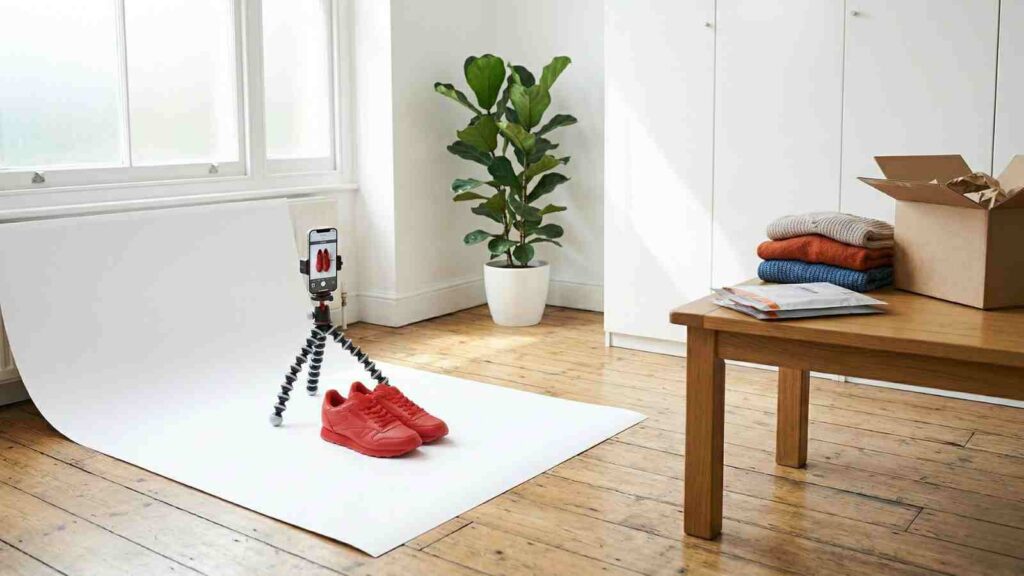
Take good photos. This is probably the single biggest thing you can do to improve your sales. Natural light, clean background, multiple angles. Buyers can’t pick things up and inspect them — your photos are doing all the selling.
Be honest in your descriptions. If there’s a mark, mention it. If it’s been worn once, say so. Honesty builds your seller reputation and avoids disputes down the line.
Price fairly. Have a quick look at what similar items have sold for — both platforms let you see completed/sold listings. Don’t price too high and put buyers off, but don’t undersell yourself either.
List in batches. Set aside an hour to photograph and list a chunk of items at once. It’s much more efficient than doing one at a time, and you’ll start to find a flow.
Don’t be disheartened if things don’t sell immediately. Some items take time to find the right buyer. Re-list, tweak the price, improve the photos. Persistence pays off.
The Honest Truth: It’s Addictive (in the Best Way)
There’s something genuinely satisfying about looking around your home through new eyes — not seeing clutter, but seeing potential. Every pile of clothes you’ve not worn in years, every gadget gathering dust, every book you finished and put back on the shelf — all of it could be money in your pocket.
And once you make your first sale, you’ll be hunting for more things to list. The notification ping of a sale never really gets old.
Whether you make £30 or £300, you’ll also have a tidier home, a lighter feeling, and the knowledge that your things have gone to someone who actually wants them. That’s a proper win all round.
So go on — dig out those boxes, charge up that old phone, and see what your clutter is worth. You might just surprise yourself.
Have you sold on eBay or Vinted? Which do you prefer? Drop your thoughts in the comments below — we’d love to hear your experience!
Looking for more ways to top up your wallet? Explore the rest of our blog for tips on saving money, boosting your income, and making the most of what you’ve got.
